Few baked foods create the same experience as Traditional French Pastries fresh out of the oven. The crisp layers of a warm croissant, the rich aroma of butter, and the delicate texture of freshly baked pastry are difficult to replicate once they cool down.
Much of what makes traditional French pastries special comes from their freshness, as texture, aroma, and flavor begin changing within hours after baking. In traditional bakeries, pastries are often baked in smaller batches specifically to preserve this experience for customers.
From flaky croissants to delicate laminated pastries, freshness plays a major role in how these products taste and feel.
What Makes Traditional French Pastries Unique?
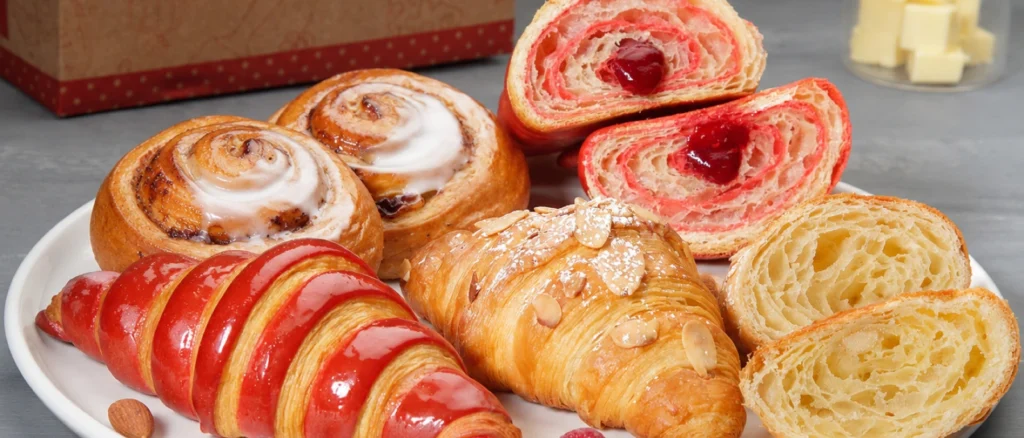
Traditional French pastries stand apart because of their precision-driven preparation and balanced flavors rather than overwhelming sweetness. Techniques like lamination, where butter is folded repeatedly into dough, create the airy layers and crisp texture found in croissants and puff pastries.
The use of high-fat butter, slow fermentation, and carefully controlled baking temperatures plays a major role in developing depth of flavor and structure. What truly defines French pastries is the contrast in texture, a crisp, golden exterior giving way to a soft, delicate center that feels light instead of heavy when eaten fresh.
Why Fresh Baking Changes the Taste
Fresh baking dramatically affects the texture, aroma, and flavor of pastries, especially in laminated dough products. A freshly baked traditional French croissant tastes noticeably different because heat, steam, and butter are still actively shaping the texture immediately after baking.
- Warm butter releases stronger aroma compounds that fade gradually as the pastry cools.
- Steam trapped between pastry layers keeps the inside light and delicate right after baking.
- Freshly baked layers stay crisp longer before exposure to air softens the texture.
- The outer crust develops a deeper flavor during baking through caramelization and browning.
- Packaged pastries lose texture quickly because moisture redistribution softens flaky layers over time.
The Science Behind Freshly Baked Pastries
Freshly baked pastries taste different because several physical and chemical changes happen immediately after baking. The texture, aroma, and flavor of laminated dough products begin changing as they cool, which is why many Traditional French Pastries lose part of their appeal within a few hours if not stored or served properly.
How Dough Layers Create Texture
The structure of French pastry depends heavily on lamination, where thin layers of butter are folded repeatedly between dough sheets. This process creates the signature flaky texture seen in many traditional French desserts.
- Butter layers separate the dough during baking, creating hundreds of delicate air pockets.
- Proper fermentation strengthens the dough structure without making the pastry heavy or chewy.
- Cold butter temperature is critical during lamination because melted butter prevents proper layer formation.
What Heat Does Inside the Oven
The oven does far more than simply bake the pastry. Heat activates steam, expands trapped air, and transforms the structure of the dough within minutes.
- Steam pushes apart laminated layers, giving pastries their light and airy interior.
- Butter melts gradually during baking, coating the inner layers and enhancing richness.
- Rapid oven spring creates volume quickly, especially in croissants and puff pastry products.
- Moisture evaporation helps form crisp outer layers while keeping the inside tender.
How Baking Develops Color and Flavor
The rich golden color and deep aroma of authentic French pastries are created during the final stages of baking. These changes directly influence how fresh pastries taste and smell.
- Caramelization deepens sweetness naturally without relying on excessive sugar.
- Butter browning creates nutty aroma compounds that are strongest while the pastry is still warm.
- The crisp outer shell forms as surface moisture evaporates, improving texture contrast.
- Fresh pastries retain volatile aroma compounds better, which is why packaged products often smell less flavorful.
French Pastries That Taste Best Fresh
Freshness plays a major role in the texture and flavor of many Traditional French Pastries because delicate layers and butter-rich dough change quickly after baking.
- Croissants taste best within a few hours because their flaky layers soften as trapped steam escapes.
- Pain au chocolat maintains its ideal texture when the outer layers stay crisp, and the chocolate filling remains slightly warm.
- Mille-feuille loses its delicate crunch quickly when exposed to air for extended periods.
- Kouign-amann develops its best flavor while warm, when the caramelized butter layers are still crisp and aromatic.
- Many classic French desserts retain better texture, aroma, and flavor when served fresh instead of refrigerated or packaged.
Why French Bakeries Bake in Small Batches
Many French bakeries bake in smaller batches throughout the day because pastry quality begins changing soon after it leaves the oven. Most authentic French pastries are designed to be enjoyed fresh, especially products made with laminated dough and high-quality butter.
- Fresh batches retain their crisp texture longer before humidity softens the outer layers.
- Butter aroma is strongest immediately after baking, which is why fresh pastries smell noticeably richer.
- Smaller baking cycles reduce long holding times, helping bakeries maintain consistent quality throughout the day.
- Fresh pastries keep their light structure better before moisture redistribution softens the delicate layers.
- Traditional French patisserie culture values freshness over shelf life, so many bakeries bake multiple times daily instead of producing large quantities at once.
How to Enjoy French Pastries at Their Best
- Eat pastries as fresh as possible, ideally within a few hours of baking, when the layers are still crisp and aromatic.
- Warm pastries lightly before serving because gentle heat helps reactivate butter aroma and improve texture.
- Avoid refrigerating laminated pastries since cold storage can make the layers dense and chewy.
- Pair pastries with simple drinks like coffee or hot chocolate so the butter and baked flavors remain noticeable.
- Store leftovers in paper instead of sealed plastic because trapped moisture softens flaky layers quickly in many Traditional French Pastries.
Freshly Baked vs Packaged Pastries
Fresh pastries and packaged pastries may look similar, but their texture, aroma, and overall eating experience are very different. Many qualities that define Traditional French Pastries begin changing soon after baking, especially in laminated products made with butter-rich dough.
|
Feature |
Freshly Baked Pastries | Packaged Pastries |
|
Texture |
Crisp outer layers with soft interiors |
Softer texture due to trapped moisture |
|
Aroma |
Strong butter and baked aroma |
Reduced aroma after storage |
|
Flavor |
Rich, balanced, and freshly caramelized | Flatter taste over time |
|
Flakiness |
Delicate and airy layers |
Layers lose crispness gradually |
| Moisture Balance | Better contrast between crisp and soft textures |
Moisture redistribution affects structure |
| Shelf Life | Best consumed quickly |
Designed for longer storage |
Why Freshness Matters in French Baking Culture
Freshness has always been an important part of French baking traditions because texture and flavor are closely connected to timing. In many bakeries, pastries are made to be consumed the same day rather than stored for long periods, which is one reason traditional French pastries are known for their quality and texture.
- French bakers prioritize daily production instead of relying heavily on long shelf life.
- Fresh pastries preserve butter aroma and crisp texture better than products stored for extended periods.
- Traditional French patisserie methods focus on craftsmanship, where texture and structure matter as much as flavor.
- Many classic French desserts are designed for immediate consumption, especially laminated pastries and delicate layered products.
- Authentic French pastries are valued for freshness and balance, not excessive sweetness or artificial preservation.
Conclusion
The appeal of Traditional French Pastries comes from much more than appearance alone. Fresh baking plays a major role in preserving crisp layers, rich butter aroma, delicate texture, and balanced flavor.
From laminated dough structure to caramelization during baking, every stage affects how pastries taste once they leave the oven. This is why freshly baked pastries often feel lighter, more aromatic, and more flavorful than packaged alternatives.
At WhiteCaps, we explore the techniques, science, and traditions behind baking to help readers better understand what makes authentic French pastries and other classic French desserts truly special.
Frequently Asked Questions
1. Why do croissants taste different in France?
French croissants often taste better because they use high-quality butter, traditional lamination techniques, and same-day baking practices.
2. What makes French pastries so special?
Traditional French Pastries stand out for their delicate layers, balanced sweetness, and precise baking techniques.
3. What time of day do French people eat pastries?
French pastries are commonly eaten during breakfast or as a mid-morning snack with coffee.
4. What are some traditional French pastries?
Popular traditional French desserts include croissants, pain au chocolat, mille-feuille, éclairs, and kouign-amann.
5. What is the famous French pastry called?
The Croissant is one of the most famous and widely recognized Traditional French Pastries in the world.