
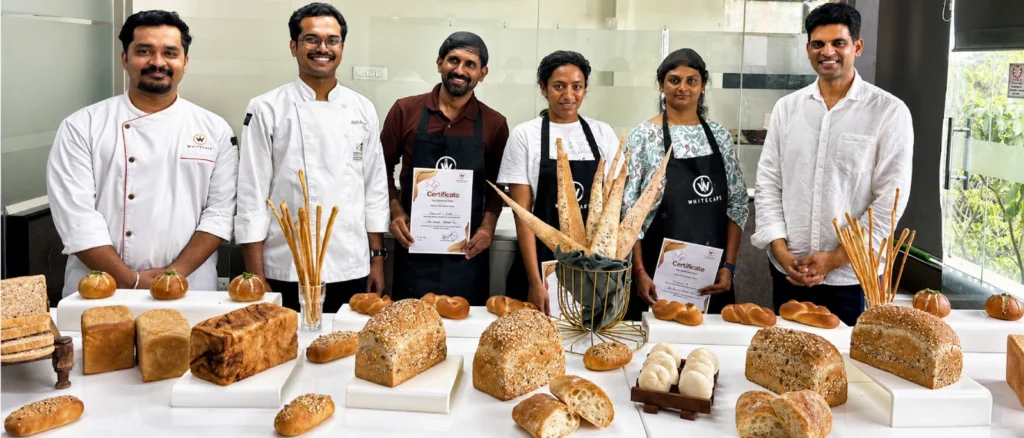
Bread is one of the oldest and most loved foods in the world, yet mastering the art of bread-making requires patience, precision, and practice. Many aspiring bakers need to learn how to work with dough, and this isn’t about just following a recipe. It includes learning techniques, fermentation, consistency and the science behind making simple ingredients into an excellent loaf of bread.
A professional bread masterclass can help participants strengthen and refine these skills. If you aspire to a career in baking, consider launching your own business or simply refining your baking skills; taking a specific course may be a worthwhile investment of your time.
What Is a Breads Masterclass?
Bread’s masterclass is a focused learning unit that teaches the techniques and principles of professional baking. These masterclasses are geared towards specific breads, dough preparation, fermentation, shaping and baking processes, unlike general baking classes.
Learners gain hands-on experience and instruction on how to make bread, as well as the importance of each stage of the process.
Why Bread-Making Skills Matter for Every Baker
Making bread is one of the most important skills when baking. Teaches patience, precision, observation and consistency. Understanding how dough behaves allows bakers to refine their methods and improve their overall baking abilities.
According to IMARC Group, the Indian bread market was valued at USD 492.0 million in 2025. The market is expected to grow steadily and reach USD 1,037.7 million by 2034, expanding at a compound annual growth rate (CAGR) of 8.39% between 2026 and 2034. Bread-making has become a useful skill for students who want to learn more, as consumer demand for artisanal and handcrafted breads has increased.
Is a Breads Masterclass Worth It? 7 Reasons Every Aspiring Baker Should Join
When deciding if a specialised bread-making course is the best option for spending your time, it may depend on your goals as a baker. A bread masterclass isn’t just about recipes; it’s about learning techniques, preparing for a career, and gaining hands-on experience that can take your baking skills to the next level.
The global bread market is anticipated to grow at a compound annual growth rate (CAGR) of 1.43% between 2019 and 2024, indicating steady expansion during the forecast period. Below are seven excellent reasons to consider joining a bread masterclass.
-
Learn Professional Bread-Making Techniques
Online recipes can give you general ideas, but then there is the master class where you learn how to cook as the professionals do in commercial kitchens. Participants are taught correct mixing methods, dough handling, shaping, scoring and baking techniques that enhance quality and presentation. These basic skills will give aspiring bakers confidence and competence.
-
Understand Fermentation and Dough Science
The understanding of fermentation is one of the most important parts of making bread. Understanding the behaviour of yeast, the effect of temperature on dough development, and the importance of proofing on texture can greatly enhance baking results. A professional cake engineering program makes these scientific concepts and their application super easy.
-
Master Different Types of Bread
Bread-making is incredibly diverse. A good masterclass introduces a range of breads, and every one of them is different and needs different methods and approaches. This expands your abilities and helps bring creativity into your work, while reinforcing your technical core.
-
Improve Consistency in Baking
If you’re thinking about going professional in baking, you must be consistent. When a customer buys a product, he expects the same quality at every purchase. Participants are guided and practice to standardise recipes, control portions and consistently create repeatable results.
-
Gain Hands-On Experience
It’s important to learn about making bread, but it’s also important to do it in real life. Participants can experience the dough’s texture, watch the fermentation process, and learn to shape the dough while under the guidance of experts. This first-hand experience is often quick learning, and confidence is increased.
-
Learn Industry Standards and Best Practices
Professional bakery environments have a set of procedures and quality criteria. Students who are exposed to these standards gain an appreciation of what is expected in the baking industry. These best practices cover everything from hygiene to efficient workflow, setting the stage for success in the professional world.
-
Expand Career and Business Opportunities
Bread-making skills can open doors to various opportunities within the food industry. Specialised training and workshop programs can help build your professional profile, whether you are looking to work in a professional bakery, in hospitality, or eventually setting up your own business. Entrepreneurs can also benefit from understanding how to make bread in order to diversify their menus and grow their businesses.
Who Should Attend a Breads Masterclass?
There are a variety of people who can benefit from a bread masterclass:
- Aspiring professional bakers
- Culinary and hospitality students.
- Home bakers looking to enhance their skills
- Entrepreneurs planning to start a bakery business
- People who love to learn baking at home.
No matter how much experience you have, structured learning can help you gain practical skills and deeper insights. If you’re curious about the real-world skills that set professional bakers apart, exploring what structured baking programmes teach can offer a valuable perspective on the journey from passion to profession.
What Types of Bread Are Typically Covered in a Masterclass?
The specifics vary, but bread masterclasses typically involve the following popular breads:
- Artisan breads: Handcrafted breads made using traditional methods, often featuring unique shapes, textures, and flavours. They tend to highlight the quality ingredients and slow fermentation processes.
- Sourdough breads: Breads made with a natural starter rather than commercial yeast, yielding a unique tangy taste and chewiness. Fermentation also helps with the shelf life.
- Dinner rolls: Small round loaves of soft bread that are eaten with meals. These breads have a fluffy consistency with a subtle sweet taste.
- Brioche: A soft and light French bread with the addition of butter and eggs. It is often used for breakfast items and gourmet sandwiches.
- Focaccia: A light Italian flatbread made with olive oil-laden dough. Often garnished with herbs, vegetables or other savoury components.
- Baguettes: Long, slender French breads recognised for their crisp crust and soft interior. They are popular in bakeries and are perfect for sandwiches and serving on the table.
- Multigrain breads: Breads made using a combination of different grains and seeds, offering varied textures and flavours. Their nutritional profile is frequently selected.
- Whole wheat breads: Breads made with whole wheat flour with a higher proportion of the grain’s natural nutrients and fibre. They are popular among people who want to make healthier bread selections.
Participant understanding of how ingredients, the amount of moisture, fermentation, and shaping methods affect the final product.
How Is a Professional Breads Masterclass Different from Online Tutorials?
Online tutorials are a great way to learn basic baking skills, but they often can’t provide personal guidance or instant feedback. A professional breads masterclass gives you a more hands-on learning experience.
Benefits of Attending a Breads Masterclass
- Learn through a step-by-step structured program.
- Get direct guidance from experienced baking instructors.
- Receive immediate feedback and corrections on your techniques.
- Solve baking problems with expert support.
- Practice using professional baking tools and equipment.
- Gain confidence through real-world baking experience.
A breads masterclass helps aspiring bakers learn faster, avoid common mistakes, and develop professional-level baking skills.
What Should You Look for in a Bread Masterclass in India?
Watching online videos can introduce you to new recipes and techniques, but mastering the art of bread making often requires guided practice. A professional breads masterclass provides an interactive environment where learners can strengthen their skills with expert support and hands-on application.
What Makes a Breads Masterclass Valuable?
- Build a strong foundation through a curriculum designed for progressive learning.
- Benefit from personalised attention tailored to your pace and learning needs.
- Refine your techniques instantly with guidance from experienced professionals.
- Overcome common baking challenges with practical insights and proven solutions.
- Develop familiarity with professional tools and workflows used in commercial kitchens.
- Learn by doing, gaining confidence through repeated practice under expert guidance.
For aspiring bakers, a breads masterclass offers far more than information. It delivers an engaging learning experience that nurtures skill development, improves consistency, and prepares learners to bake with greater confidence and precision.
How to Choose the Right Breads Masterclass for Your Baking Goals
Selecting the right breads masterclass means looking beyond the course title. Consider the depth of the curriculum, the variety of techniques taught, and the amount of practical training offered. A strong programme should help you build both essential baking foundations and advanced bread-making skills that meet industry expectations.
At Whitecaps, learners can gain hands-on experience in areas such as artisan breads, sourdough fermentation, enriched doughs, laminated doughs, and modern baking techniques. Whether you want to refine your existing skills or pursue a professional career in baking, the range of specialised courses allows you to choose a learning path that aligns with your goals and interests.
Conclusion
Baking is an art and a skill that is learned over time, by observing and being instructed. By participating in a bread masterclass, aspiring bakers can enhance their technical skills, build confidence, and gain hands-on experience through guided practical training.
From career advancement to entrepreneurial success to personal fulfilment, investing in specialised bread training can be a worthwhile investment towards realising your baking aspirations. All great bakers start with a desire to learn, and learning how to make bread can be the beginning of an awesome career in the kitchen. Connect with our chefs to start your baking program now.
FAQ’s
1. Why should aspiring bakers learn bread-making?
Baking is a crucial component of bread-making that reinforces key baking skills, including managing fermentation, handling the dough, consistency and accuracy, all of which are fundamental in baking.
2. Is a breads masterclass suitable for beginners?
Yes. Many masterclasses are designed to accommodate learners with varying levels of experience, including complete beginners.
3. What skills can I gain from a breads masterclass?
The usual teaching methods include dough making, fermentation, shaping, baking and industry practices.
4. Can a breads masterclass help me start a bakery business?
Specialised training can enhance your technical skills and confidence, both of which can support future entrepreneurial goals within the baking industry.
5. How long does a breads masterclass usually last?
This depends on the institution and programme structure. Some masterclasses are held over a couple of days; others may be part of larger baking courses.
6. Is practical experience important in bread-making?
Yes. Hands-on experience teaches learners about dough behaviour and helps them develop their skills and confidence.
7. What types of breads are typically covered in a masterclass?
Depending on the programme, participants may be introduced to artisan breads, sourdough, enriched breads, flatbreads, and other speciality bread varieties using different production techniques.
8. Do I need prior baking experience to enrol in a breads masterclass?
Not necessarily. While some advanced programmes may require foundational knowledge, many masterclasses are structured to support beginners as well as experienced bakers looking to upskill.
9. Will I learn about the science behind bread-making?
Yes. Professional bread programmes often incorporate concepts such as yeast activity, gluten development, fermentation control, ingredient functionality, and the factors that influence bread quality and texture.
10. What should I look for when choosing a breads masterclass?
Consider factors such as curriculum depth, practical training opportunities, instructor expertise, class size, industry relevance, and whether the programme aligns with your personal or professional baking goals.