Imagine, after hours of preparation, your cake turns out to be too hard and dense. Frustrating right?
That is not something I would wanna imagine either, but overlooking some important aspects of making a cake in a microwave would lead to a cake turning out to be immensely dense and hard.
In order to avoid this, you’d have to dot the I’s and cross the T’s to prepare the most delicious and soft, fluffy cakes. Take it from us, it is much easier than it looks!
Why Does a Microwave Cake Turn Dense?
To understand why this happens, we need to understand the difference between a conventional oven and a microwave.
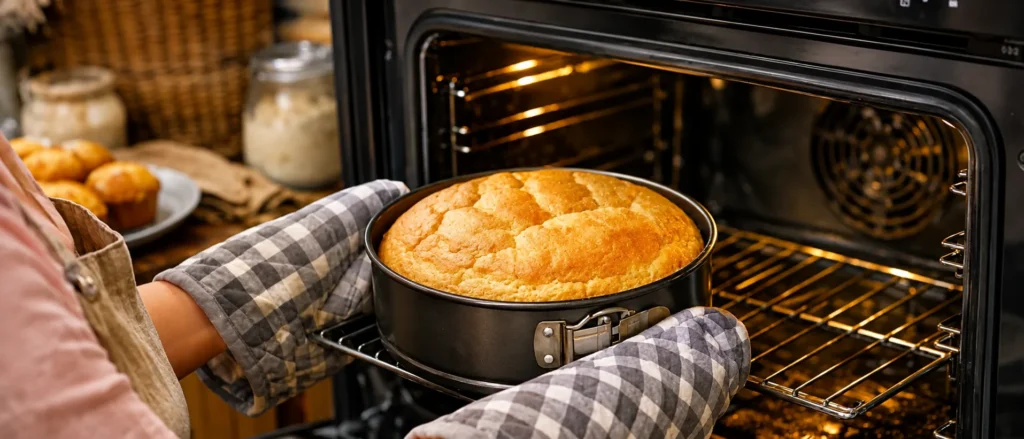
In a conventional oven, the cake gradually rises through the hot air, whereas in a microwave, due to its rapid cooking process, the batter is heated very quickly.
Owing to its instant heating mechanism and electromagnetic waves, the microwave cooks so quickly, and leaving it inside for too long would lead to a loss of moisture, which causes the cake to become really dense, dry, and rubbery.
These are the finer points that may not be publicly available and accessible, if you are looking to pursue a profession in baking and pastry you will have to be aware of these.
Common Mistakes That Make Microwave Cakes Dense
Here are some mistakes to avoid:
-
Overcooking The Cake
Timing is of cardinal importance. Keeping the cake in the microwave even for 10-15 seconds could lead to loss of moisture and a rubbery cake.
-
Using a High-Wattage Microwave
Clocking full power in a microwave is disastrous. In no time, the sides of the cake would have risen before the centre, leading to uneven texture and denser crumbs.
-
Using an Oven Recipe
Cake recipes made for conventional ovens are prepared in line with the oven’s slow-cooking nature. Following the exact oven recipes in a microwave will not work all the time. Required liquid content, cooking time, and a lot of other various preparations will change accordingly.
-
Overmixing the Batter
Rigorous mixing of the batter leads to the formation of gluten. It is essentially a protein network that gives a proper structure to your cake. But an excessive amount of gluten leads to the cake becoming chewy and hard. Mix just until all the ingredients are combined perfectly.
-
Disproportionate Ingredient Ratios
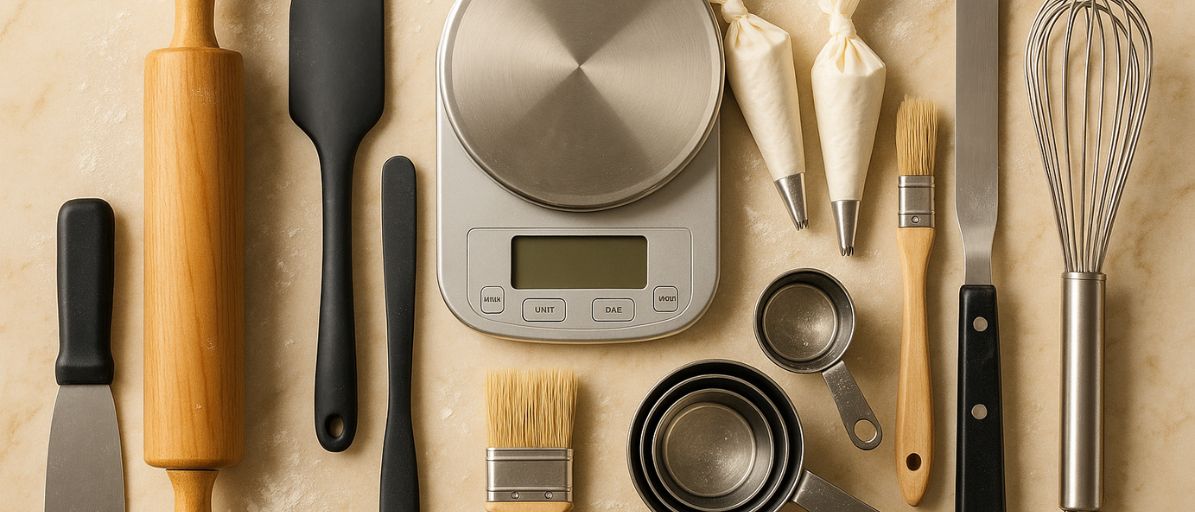
The texture of the cake is largely dependent on how well it rises. Adding too much flour, using less or no leavening agents, or any small measurement oversight results in a dense cake. Always measure your ingredients by using a kitchen weighing scale.
Can You Make a Soft and Fluffy Cake in a Microwave?
Yes, you can absolutely make a soft and fluffy cake in a microwave. The secret lies in understanding how a microwave works differently from an oven and altering your ways and means accordingly.
Since it cooks faster, you need to ensure that the cake is cooked for the recommended time and not one second more or less.
And remember not to mix the batter too much and to add fresh leavening agents. The appropriate use of these leavening agents causes the cake to rise, adding an additional layer of taste to it.
After checking these off, you have to follow a recipe that is microwave-friendly, which assists in retaining the moisture of the cake throughout the entire process.
Incorporating these simple techniques would give you a light, airy, and, of course, the most delicious cake you have been longing for.
Microwave Cake vs Oven Cake: What’s the Difference?
|
Aspects |
Microwave Cake | Oven Cake |
|
Cooking Method |
Uses electromagnetic waves to cook the cake. | Uses hot air to cook the cake. |
| Baking Time | Very rapid. Around 1-5 mins. |
It takes nearly 30-45 mins. |
|
Texture |
Soft and moist, but it can become very dense if it’s overcooked. |
Light, evenly baked with finer crumbs and airy. |
| Browning | There is little to no browning crust. |
Develops a crisp and crunchy browning crust. |
|
Moisture |
Due to the shorter time it takes, the moisture is well retained. | Creates a drier exterior as it loses additional surface moisture. |
| Best For | Mug cakes, single servings, and mainly desserts. |
Layered cakes, and those that are prepared for celebrations and in larger volumes. |
Understanding and learning the best baking hacks help in circumventing through any hurdle.
Tips for Baking Better Cakes in a Microwave
- Begin by choosing the right container. Use a compact microwave-safe mug that leaves enough room for the cake to expand.
- Measure your ingredients using a kitchen weighing scale. If you use more or less than what is permissible, you will be disappointed with the output.
- Mix your batter gently. As mentioned earlier, mixing too hard leads to gluten formation, which will interfere with the cake’s texture. Ensure that the ingredients are mixed properly and leave them as they are.
- Add a tad bit of extra water or milk on top of your cake before placing it inside the microwave. The extra liquid cooks down into your cake, adding extra moisture. This defeats the dryness of the cake.
- Adding fresh leavening agents like baking soda or baking powder. These help in creating tiny air bubbles in the batter. This makes the cake rise a lot easier, which in turn gives you a fluffy cake.
- Don’t cook at full power. Overcooking happens when the microwave’s settings are set to full, and that leads to the outside rising before the centre. Try to cook at a few notches below the microwave’s maximum potency so that the heat reaches the centre and the cake rises perfectly.
- Don’t ignore butter or oil. Having no fat content in your cake makes it soggy, dry, and very uneven. Using the right amount of butter and oil helps in retaining its soft texture as it keeps the cake moist and soft.
Final Word
A combination of small oversights, such as overmixing the batter, overcooking in the microwave, and even cooking for a longer duration, would most certainly result in a very dense and rubbery cake.
Avoiding these mistakes and following the recipe to the Tee without much customization will get the job done.
Baking is a form of self discovery and anybody who’s into it would second it. If you are looking to begin baking, whether professionally or for fun, there is no better time than now. At Whitecaps International School of Pastry, we believe baking is for all.
We are remembered and recognized as the best baking institute in Bangalore for our longevity, quality of education, commitment, and our never-ending mission to educate. Begin your baking career with us!
FAQs
1. Why is my microwave cake dense even though I followed the recipe?
Following the recipe is one thing, but following a microwave complaint is another. Oven recipes don’t always work well in microwaves.
2. What’s the secret to making a soft and fluffy microwave cake?
Add fat to your cake in the form of butter, oil, and so on, or lastly, a few drops of water or milk at the top.
3. Can you bake a fluffy cake in the microwave?
Yes, if you followed the recipe and avoided overcooking, you can definitely make a fluffy cake.
4. How do I stop my microwave cake from turning rubbery?
Avoid overmixing the batter, overcooking, adding fresh leavening agents, and ensuring you are not cooking at full power.
5. Should I use full power when baking a cake in the microwave?
No. You should never cook at full power when baking a cake in the microwave.
6. Can I use a normal oven cake recipe in a microwave?
No. You should never use an oven recipe in a microwave.
7. What ingredients make a microwave cake softer?
The right amount of flour and fresh leavening agents make the cake a lot softer.
8. Why didn’t my microwave cake rise properly?
This generally happens when the batter is overmixed or when the baking soda has expired.
9. Where can I learn professional baking and pastry courses in Bangalore?
You can learn a number of bakery courses at Whitecaps International School of Pastry.
10. Which baking institute in Bangalore is best for beginners?
Whitecaps is famously recognized as the best baking institute in bangalore for beginners.