The love for cakes is universal. It is very hard to turn down a rich, moist cake decorated with smooth frosting and colourful toppings.
But imagine standing outside a bakery and not being able to choose one. A delicious dilemma to have.
Among the wide varieties on display, sponge and butter cakes are famously mistaken for one another. People have had a hard time trying to disambiguate between the two from just seeing them. Both are undeniably delicious; how can one figure out which one is which without even tasting it?
That’s what we will be covering in this article. Read through to find out the differences and techniques, and by the end of it, we will have solved your conundrum!
Butter Cake vs Sponge Cake: Key Differences
| Aspect | Butter Cake | Sponge Cake |
| Main Ingredients | The main ingredients are flour, butter, sugar, baking powder, milk, and eggs | Flour, sugar, eggs, and little to no oil or butter |
| Fat Content | Higher because of butter. | Very low as it contains little to almost no added fat |
| Mixing Technique | Sugar and butter are creamed together before the ingredients are added. | Whipped eggs incorporate air before folding in dry ingredients |
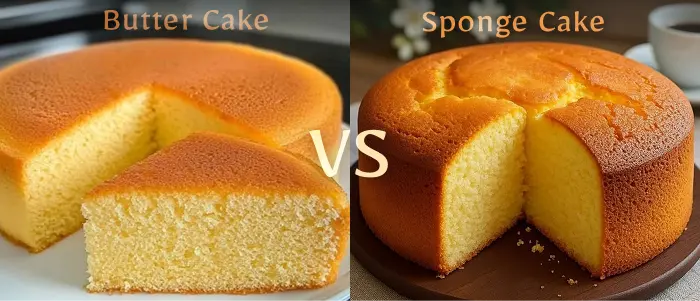
| Texture | Moist, dense, soft, and tender | Airy, light, springy, and fluffy |
| Taste | Rich and indulgent | Slight sweetness and mild |
| Moisture | Naturally moist and remains soft for a longer period | Naturally light but can dry out really quickly if it is not stored properly. |
A lot of people get confused when it comes to butter vs margarine and knowing the basics of it would solve most of their confusion.
What is a Butter Cake?
It is a classic cake known for its soft crumb, rich flavour, and moist texture. As the name suggests, a butter cake is primarily made out of butter. It is prepared by beating the butter and sugar together before adding other ingredients like flour and other toppings. It serves as a delicious celebration cake that is moist and is a best seller on occasions and during celebrations. The butter mainly contributes to its finger-licking taste and tender texture.
Ingredients in a Butter Cake
- Unsalted Butter
The first ingredient adds moisture, richness, and a texture that gives the cake enough richness. It creates a soft, tender crumb.
- Eggs
They help in mixing the ingredients and provide structure to the cake. It helps the cake rise by trapping air during mixing and gives it a soft and fluffy texture. In fact, there are many other interesting ways to use egg whites.
- Flour
Flour is the foundation of this cake. It provides stability and combines well with the other ingredients to create a batter that bakes into a soft, even crumb.
- Sugar
As it should, the sugar adds sweetness to the cake, but it does more than just that. It locks in moisture and keeps every slice fresh and enjoyable.
- Baking Powder
Acts as a leavening agent by creating tiny air pockets that expand in the oven, assisting the cake to rise. This results in the cake becoming light, well-shaped, and evenly baked.
- Milk
Blends the ingredients into a smooth batter and contributes to the moisture throughout the cake. It has its share in making every bite softer and richer in flavour.
- Pinch of Salt
It is used to reduce additional sweetness and prevent it from becoming extremely sugary. Enhances the flavours of butter, vanilla, and other ingredients.
- Vanilla Extract
This is usually an optional ingredient, but adding a pinch of vanilla extract makes the cake aromatic and more visually appealing. It enhances the overall flavour and makes every bite an experience.
What is a Sponge Cake?
A sponge cake is an airy cake that gets most of its volume from whipped eggs. It is a cake that is supposed to taste soft and springy, and its flavour makes it an excellent base for fresh fruits, whipped creams, layered cakes, and syrups. If you are looking to have a post-dinner light dessert, a sponge cake must be on your must-have list.
Ingredients in a Sponge Cake
- Eggs
This has to be the first ingredient on your table when you are planning to prepare a sponge cake. Eggs help in trapping air and helping the cake rise to a state where it’s light and fluffy.
- Sugar
Adds taste and sweetness but mainly helps in holding the shape of the beaten eggs. This makes the cake soft and airy after baking.
- Flour
It gives the sponge cake enough strength to hold its shape. Using the appropriate amount keeps the cake light, and if one mixes too much of it, the cake will become denser.
- Flavourings
Vanilla extract is among the common flavorings. Adding extracts of other emulsions complements the sweetness without overpowering it.
- Fats (Optional)
Using a teaspoon of butter and oil is a very individual choice, but most traditional sponge cakes avoid it.
- Baking Powder (optional)
Eggs majorly contribute to cake rising, so the need for leavening agents like baking powder or baking soda isn’t widely recommended. However, some odd recipes would suggest that you add baking powder to get that little bit of extra lift.
- Milk (optional)
Helps in smoothing the batter, which eventually adds extra moisture to the cake. It could lead to softer and tastier bites.
5 Common Baking Mistakes to Avoid
- Ingredients at Wrong Temperature
Cold ingredients do not blend well with the batter. They have to be brought back to room temperature to create a smoother batter and a more evenly baked cake.
- Overmixing the Batter
This leads to the formation of excessive gluten, which makes the cake really dense.
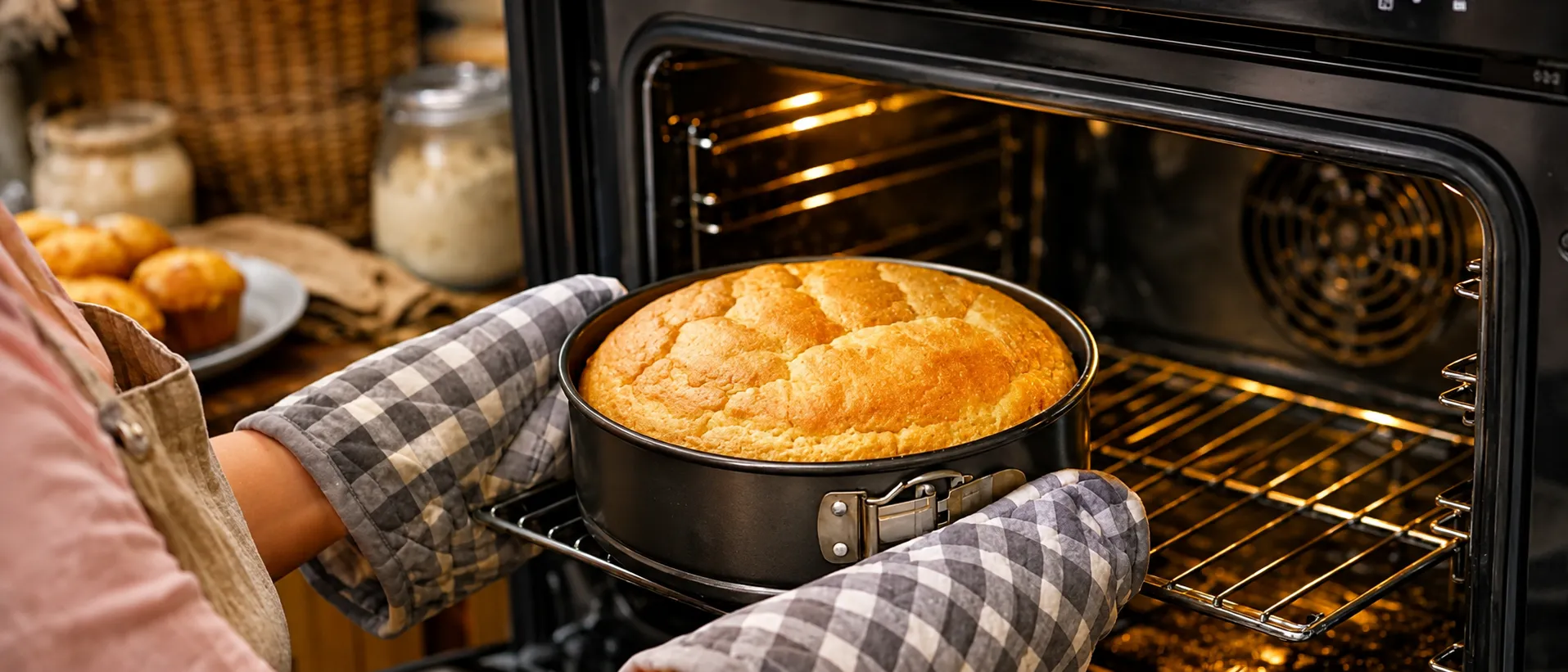
- Opening the Oven Too Early
This causes the heat to escape and makes the cake sink in the centre or bake unevenly.
- Not testing the Readiness
Before removing the cake, insert a toothpick into the middle, and if it comes out without stains or with little dry crumbs, it means the cake is ready to be consumed.
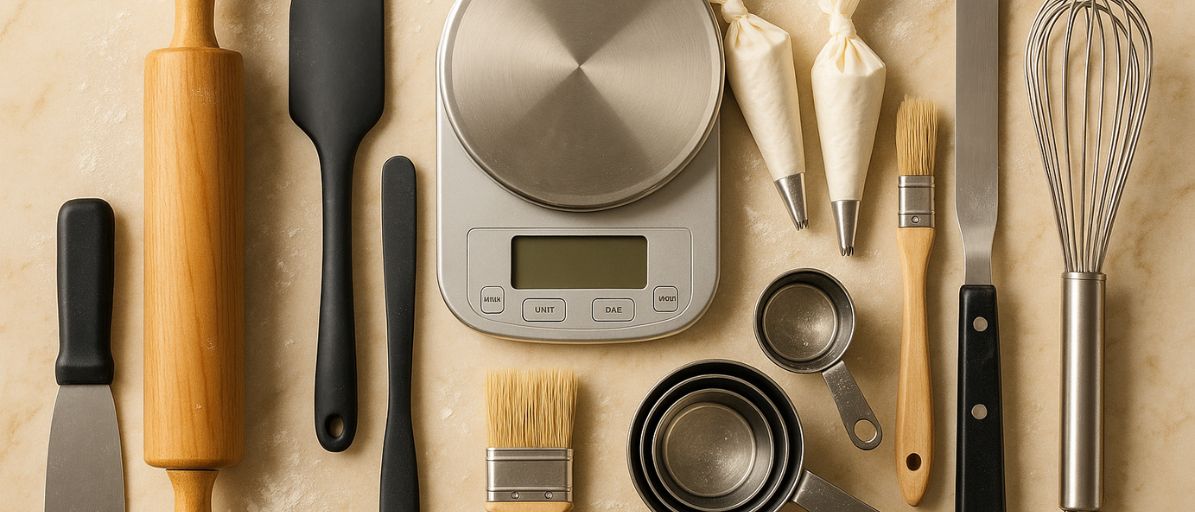
- Not Using a Weighing Scale
If you use a disproportionate amount of ingredients, it will lead to your cake losing its texture, taste, and rise. Always use a measuring scale to avoid this.
Avoiding these mistakes would eliminate every possibility of a messed up output. Attend our highly rated baking classes in Bangalore to know what to do along with what not to do.
Final Word
By now, we are certain you would have found your feet in understanding the differences between a butter cake and a sponge cake. The key difference lies in the ingredients, obviously, but the actual differentiator lies in its fat content.
Sponge cakes are light snacks, whereas butter cakes are for grand ceremonies. Don’t count your calories when you are treating yourself with a butter cake.
Baking is one of the highest forms of relief, and for those looking to make it as a career, you are at the right place!
We, at Whitecaps International School of Pastry, provide a vast number of bakery courses, and we aim to educate everybody who wants to have a crack at baking and learning from ground zero.
Join us and let us make your future a lot sweeter!
FAQs
1. What is the main difference between butter cake and sponge cake?
Apart from the obvious reasons, the main difference boils down to how much the cake rises and the fat content.
2. Which is healthier? Butter cake or sponge cake?
Sponge cake is healthier. It contains less fat content and fewer calories, and is lighter than butter cake.
3. Is butter cake denser than sponge cake?
Yes, butter cake is denser than sponge cake. It has a richer crumb owing to its higher butter content.
4. Can butter cake and sponge cake be used interchangeably?
No, not always. A sponge is ideal for lighter desserts, whereas a butter cake is often ideal for special celebrations like birthdays and many others.
5. Which cake is better for birthday and celebration cakes?
Butter cake is widely considered a celebration cake. This is because it is sturdy enough to support decorative frosting and layered fillings.
6. Why is sponge cake so light and fluffy?
Sponge cake gets its airy texture from whipped eggs; this traps the air and helps the cake rise naturally.
7. Does butter cake contain more butter than sponge cake?
Yes. There is a generous amount of butter, whereas sponge cake has little to no fat content or butter.
8. Where can I learn professional baking techniques for butter cakes and sponge cakes?
You can learn from the best baking institute in Bangalore, Whitecaps International School of Pastry.
9. How should butter cake and sponge cake be stored to keep them fresh?
You need to store them both in an airtight container, and they must be kept at room temperature for upto max 2 days. If you want to store them for longer, you must refrigerate them and bring them to room temperature before serving for best texture and taste.
10. Can I learn to bake butter cakes and sponge cakes through a professional baking course?
Yes. Whitecaps International School of Pastry offers upbeat and advanced baking courses in Bangalore.